Retail centres are undergoing their most fundamental transformation in decades, and it has nothing to do with online competition. The shift is physiological. As Australia’s wellness economy surges to $141 billion, representing 7.8 per cent of GDP and growing at 7.6 per cent annually, fitness and wellness operators have evolved from back-corner fill-ins to premium anchor tenants commanding the prominence once reserved for department stores.
Australia’s position as the 9th largest wellness economy globally becomes even more significant in context: the nation achieves this ranking with a population of just 27 million, smaller than every other country in the top ten. Where the United States (#1) has 335 million people and China (#2) has 1.4 billion, Australia’s top-ten placement reflects spending intensity rather than population scale. At $5,184 per capita annually, Australians spend more than six times the global average of $831 on wellness, demonstrating a cultural commitment to health that translates directly into commercial real estate performance.
The mathematics of this transition are compelling. Traditional retail anchors might generate visits once or twice weekly. Wellness tenants deliver multiple visits per week, often multiple times per day. A gym member arriving for a 6am session, returning for lunch-hour recovery in the magnesium pool, then meeting friends for evening Pilates represents three separate centre visits before dinner. Each visit creates opportunity for incidental spending across the broader retail ecosystem.
Research confirms wellness-focused consumers represent higher-value customers who spend more per visit and shop across diverse categories. More significantly, these tenants demonstrate recession-resistant characteristics. Health expenditure has fundamentally shifted from discretionary to essential. Australians now allocate budgets previously spent on alcohol and entertainment toward longevity and performance optimisation, making wellness anchors remarkably stable income sources even during economic uncertainty.
The operational implications are profound. Gyms once relegated to 1,000sqm vacancies with no mall frontage now demand high-visibility premium placements. Leading wellness retailers like LSKD have exploded from zero to 31 stores, requiring 30-50 per cent larger footprints to accommodate expanded lifestyle offerings beyond traditional activewear. Lorna Jane has similarly evolved from compact “bras and tights” formats to expansive lifestyle destinations.
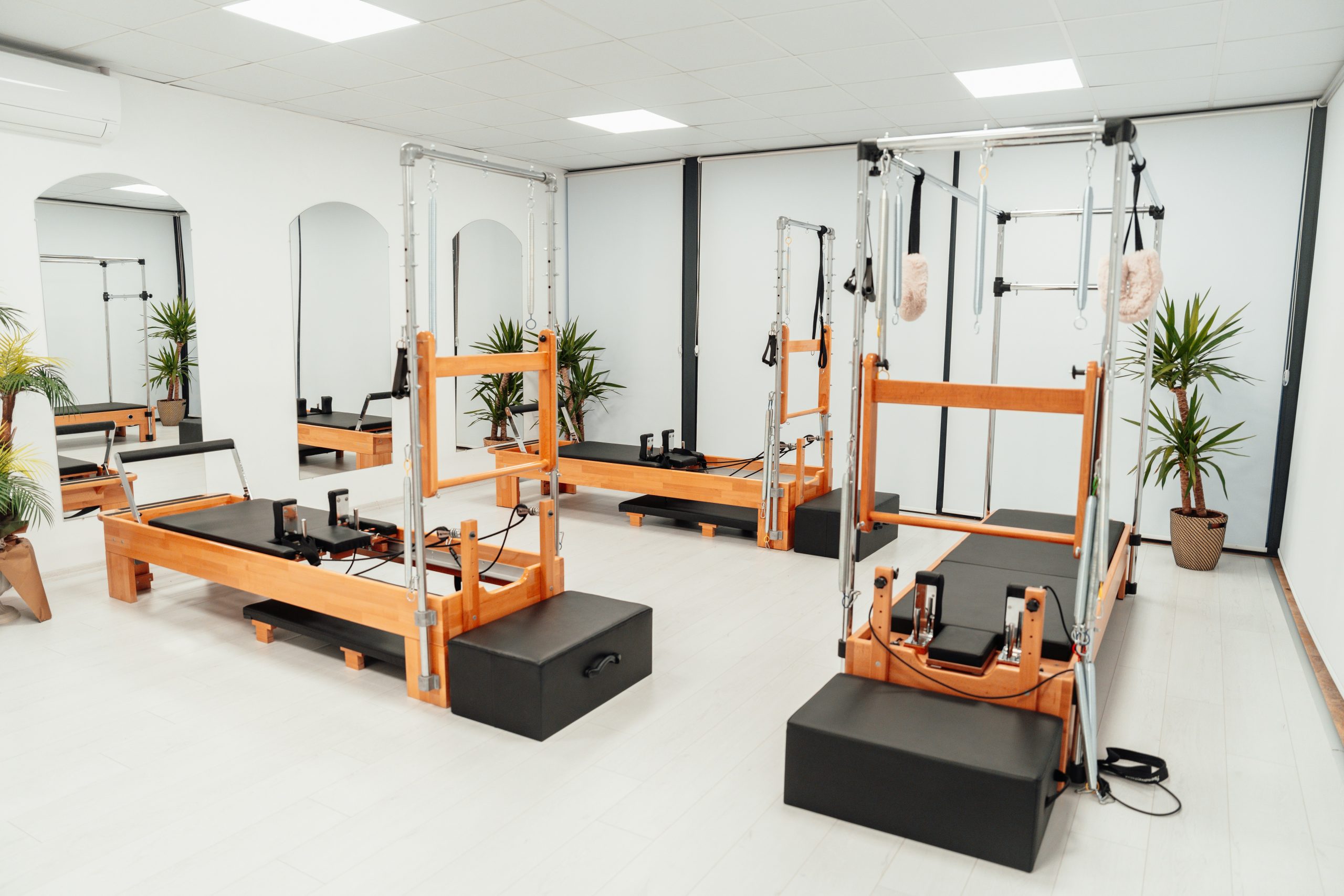
Contemporary wellness anchors operate as experience centres rather than simple transaction points. Modern facilities integrate ice baths, hot magnesium pools, infrared saunas, red-light therapy, and dedicated social zones designed to extend dwell time. Members aren’t simply exercising; they’re participating in recovery protocols, socialising over coffee, attending Reformer Pilates classes within integrated studios. The facility becomes a wellness ecosystem generating hours of on-site time rather than quick in-and-out visits.
The community activation model has proven extraordinarily powerful. Brand store openings now generate thousand-person queues through community-building programs beginning months before launch, grassroots pop-ups in local gyms and run clubs that create anticipation and tribal loyalty. These aren’t retail transactions; they’re cultural events.
_____________________________________________
Vanessa Rader : Head of Research | Ray White Group