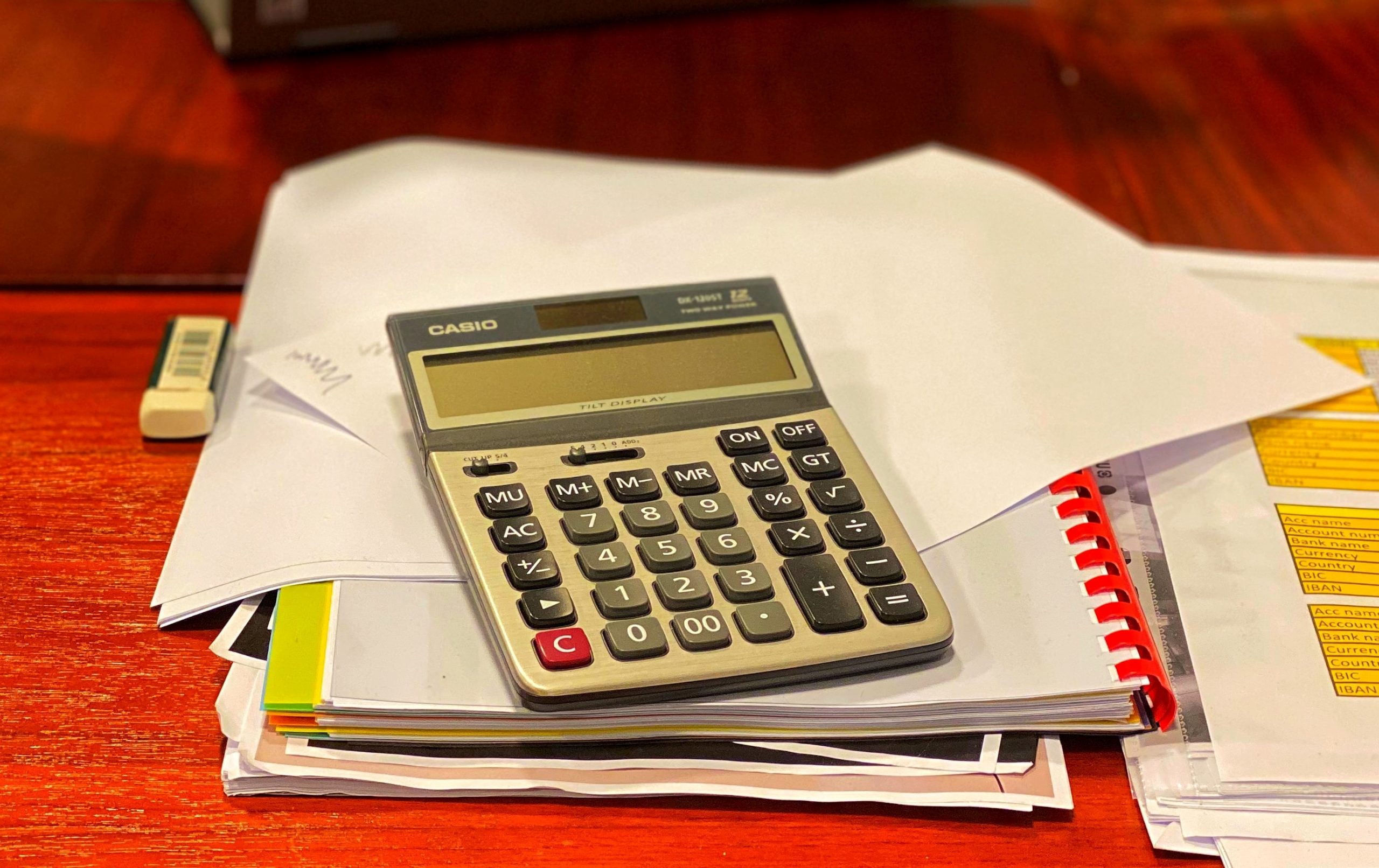
Many commercial leases stipulate that tenants must reimburse maintenance expenses and property running costs to the landlord.
These recoverable outgoings may include (but are not limited to) rates, insurance, water, electricity, body corporate fees, general repairs and maintenance, and in some cases land tax.
Generally, a budget outlining annual outgoings is prepared, and the tenant pays monthly contributions to cover these expenses. At the end of the financial year these monthly installments are reconciled against actual costs, with an adjustment invoice or credit note issued to account for shortfalls or over-payments.
In order to complete the reconciliation, it’s important that thorough and accurate records of all property expenses are kept on file. This information is used to create the balance sheet and will help provide clarity in the event of any dispute or audit.
Each lease should clearly identify what outgoings will be recovered, and provide a schedule of when the tenant will be furnished with the budget and corresponding reconciliations.
The experienced team at Ray White Commercial Bayside provides this accounting process as part of their award-winning Property Management service. Call us today to find out more about what expenses you could be recovering.